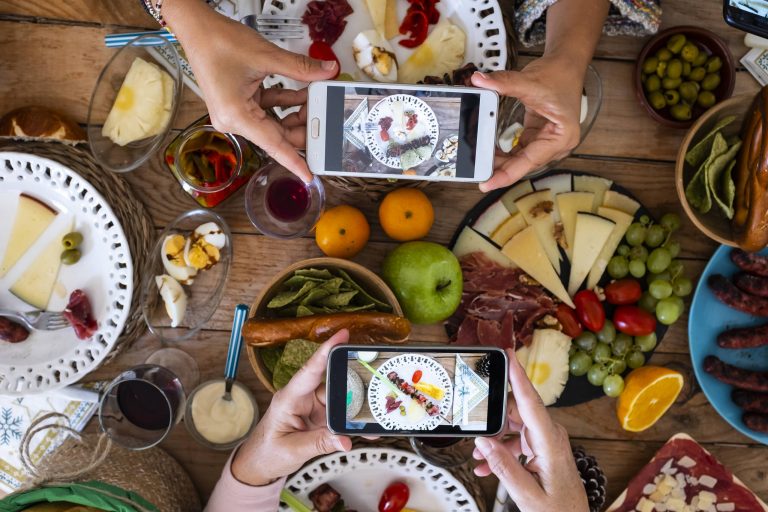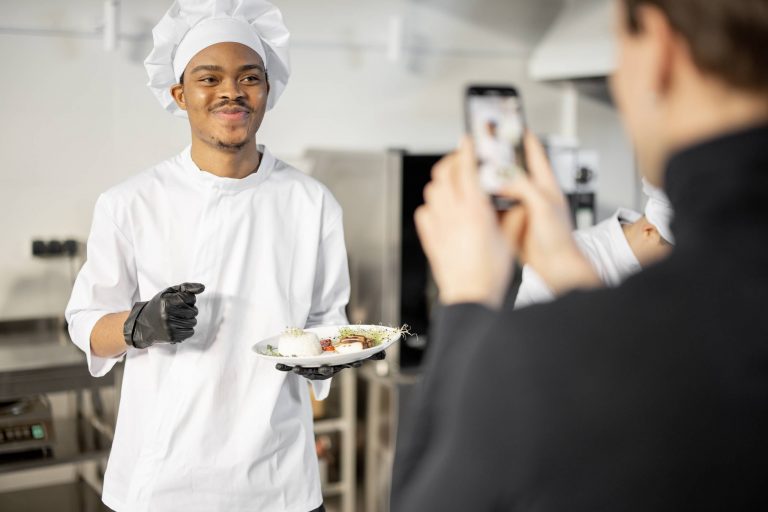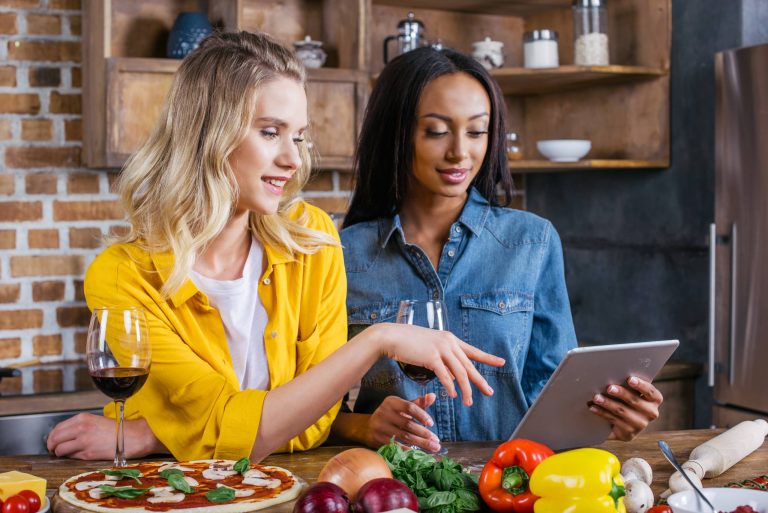
Food presentation and photography are becoming increasingly popular these days. Everyone wants to make their dishes look attractive and appetizing, whether for Instagram or just for the joy of it. Food styling is an art that enhances the visual appeal of food, making it more appealing to our eyes and stomach. In this article, we will discuss some useful food styling tips to help you present your dishes beautifully.
If there’s one unsung hero of a gorgeous food photo, it’s the food stylist. It’s not just a matter of plunking the food on a plate and calling it a day — you need to know what makes things look fresh and appealing, what looks textured and appetizing, what looks fresh and exciting. You need to style a dish so it looks generous and appetizing, so it looks deliberate and inviting, so it looks like you took care with every detail, which means hiding any parts that don’t look so great. You need to decide on the right props, the right table, the right garnishes. A good food stylist can make the difference between a photo that looks haphazard and a photo that looks deliberate.
This is the essence of food styling—mixing textures and colors to create contrast that helps to draw the viewer’s attention to the subject of the image, and add visual interest. Think: crunchy lettuce against smooth sauce, the dull glaze of a ceramic plate with the sheen of a just-washed apple, or the rough-hewn planks of a wooden cutting board beneath the flaky layers of a pastry. I also try to vary the heights and shapes of objects to prevent the image from looking one-dimensional. Just as in a beautiful landscape, I want visual interest throughout. And just as in a beautiful landscape, I don’t want the view to be overwhelmed by clutter. When I’m styling an image, I hope to create the illusion of reality, so when people look at it they can imagine their hands reaching into the frame to grab a bite.
Temperature and freshness are key elements in the fresh off the stove look, and this is where planning is key, but also fast decisions need to be made on set. Steam on hot food, condensation on cold glasses, the slight gloss on newly cut veggies, all are a part of creating that immediate experience and appeal. Often a stylist will be armed with tweezers, a brush, and a water sprayer to help accomplish this in the final moments before a photo is taken to capture food in its prime, without relying on fake ingredients. The importance of these minute details and what they evoke is how they make the viewer remember that there are real people behind the image. Learning to balance them is what differentiates good photos from great ones.
As with props in film, food styling props add another level of depth to the photograph, a subtext of warmth, freshness, comfort, and even vitality. A crumpled linen napkin, an old silver fork, fresh sprigs of herbs, and a partially full glass of wine all add to the story. The trick is to make the props as natural to the image as the food itself, so that the colors of the dish stay in the foreground. Stick to whites, beiges, blues, and greens for the most part, and reserve the brights for accenting the pop of a fresh pepper or a colorful sauce. The best props make the story of the photograph seem utterly simple, the perfect support to the hero of the shot: the food.
Ultimately, the food styling process, like any other, involves a combination of instinct, experience, and an understanding of and regard for the subject. It requires the willingness to try multiple micro-adjustments until you land on an arrangement that looks like it was meant to be. The photographers who understand this and take the time to develop the necessary skills will find that food styling isn’t an afterthought, but an essential step in the photo-making process — one that can turn a technically good photograph into an emotionally engaging one. With each shoot, they will continue to hone their craft, creating images that are not only worth looking at, but worth remembering long after they are gone.